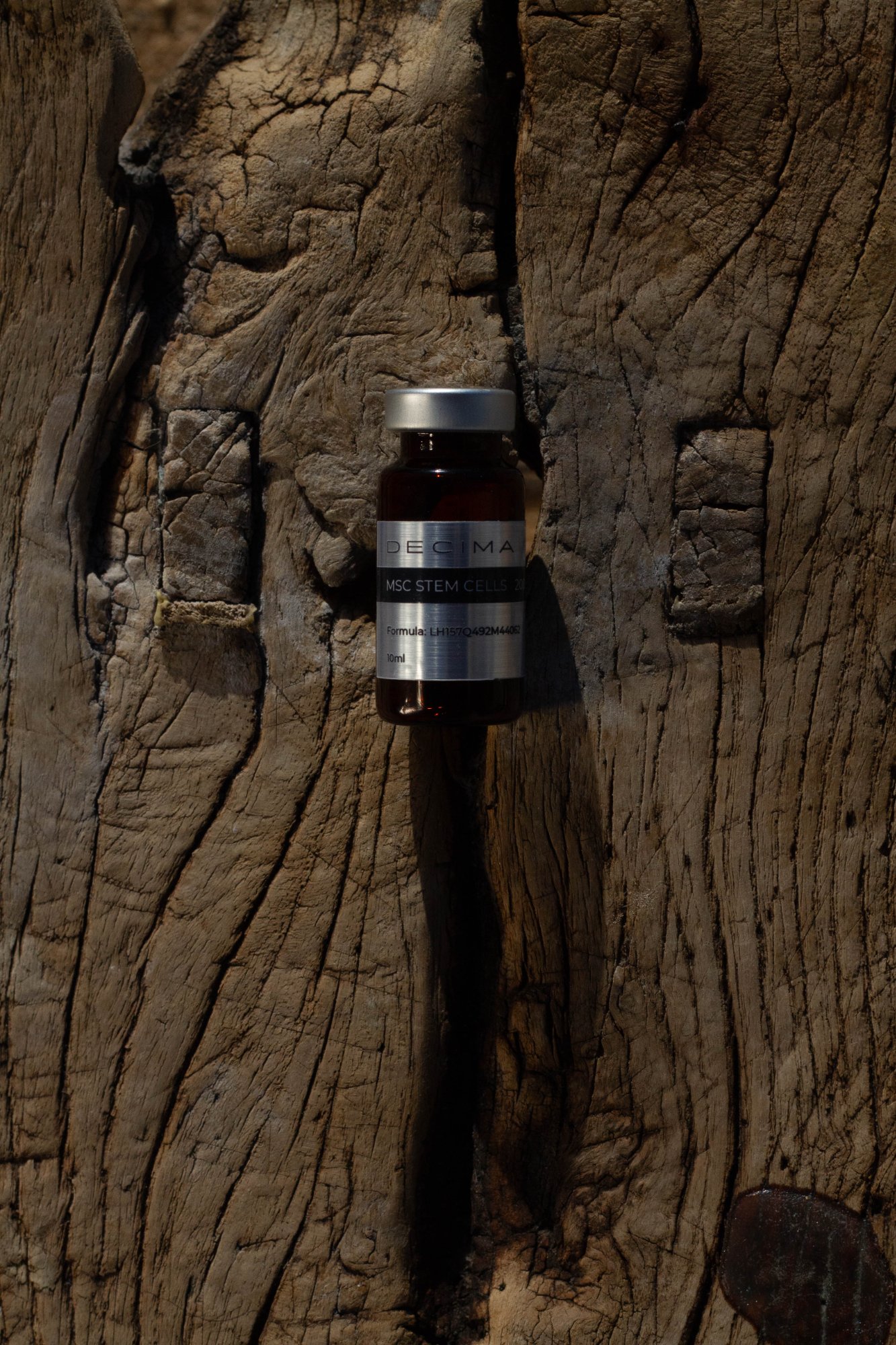
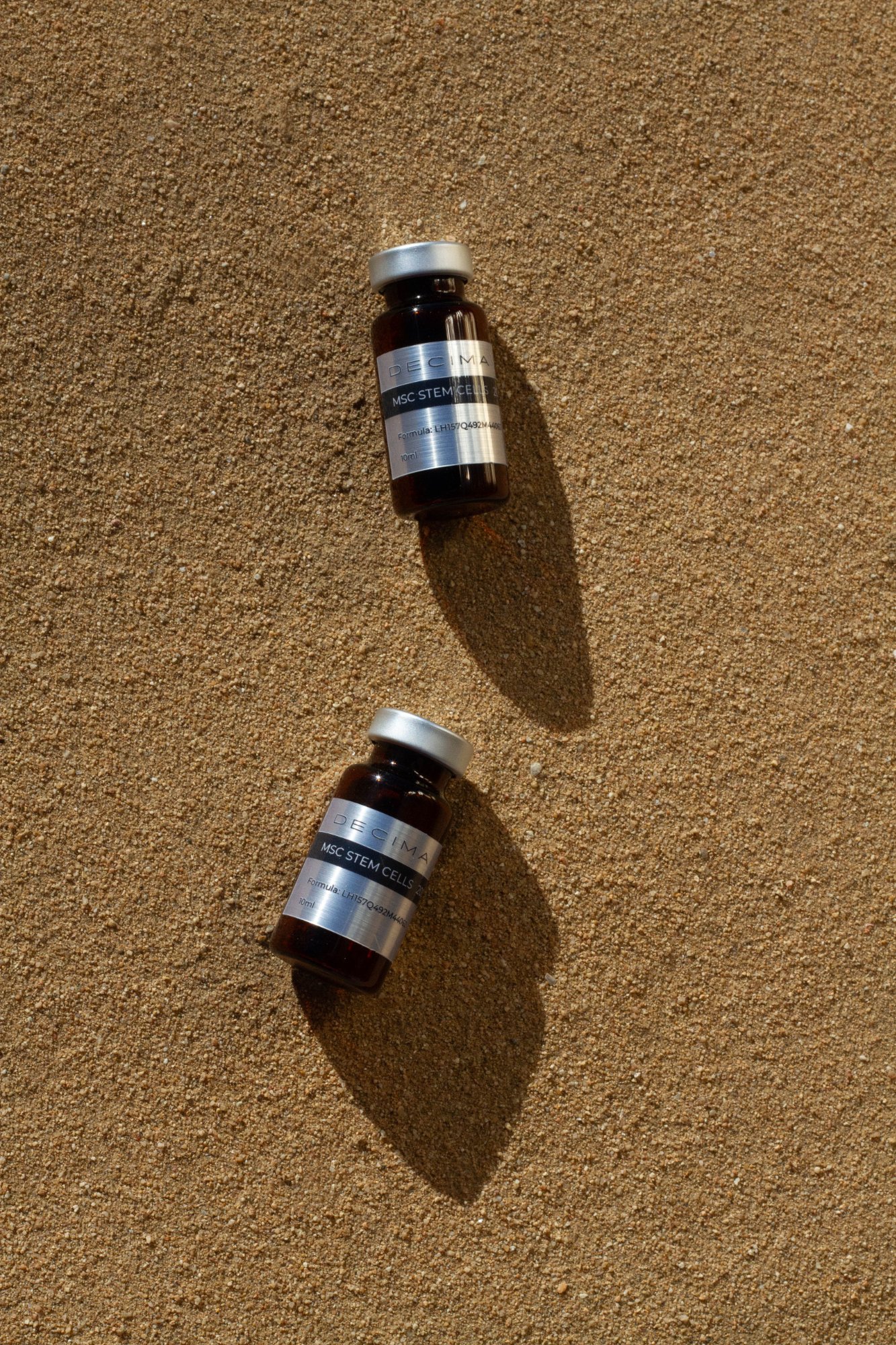
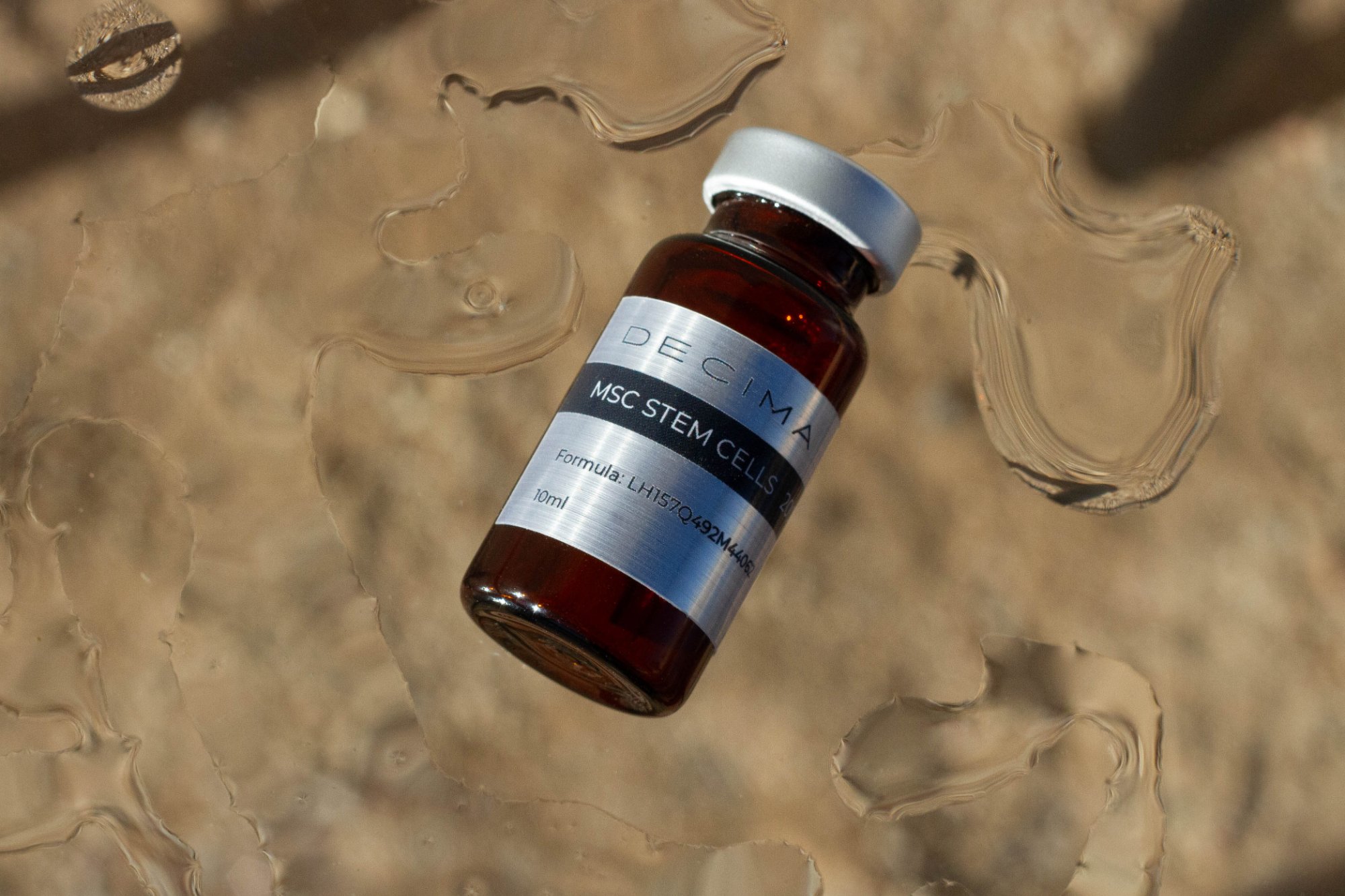
Decima MSC Stem Cells
The Science
Not all stem cells
are equal.
Ours are
verified.
Cell SourceWharton's Jelly · Umbilical Cord
MUSE TechnologyTohoku University, Japan
Purity Verification100% Third-Party Tested
ManufacturingGMP-Certified Facilities
FormulaLH157Q492M4405 · 10ml
MUSE Cells

The most
advanced stem cell
on earth.

MUSE cells — Multilineage-Stressing Undifferentiated Stem Cells — were developed by Dr. Mari Dezawa at Tohoku University in Japan. They are a unique class of pluripotent stem cell with properties that no other stem cell type possesses: they survive cellular stress, home to damaged tissue throughout the body, and differentiate precisely into the cell types needed at the site of injury or disease.

Most critically: they do this without forming tumors. Every other pluripotent stem cell type carries teratoma risk. MUSE cells do not. This is why they are considered the most clinically significant stem cell discovery of the past two decades.

Clinical Significance
MUSE cells have been studied in clinical trials for stroke, ALS, diabetic neuropathy, and acute myocardial infarction. Unlike MSCs, they actively home to damaged tissue rather than relying on local injection. This systemic homing capability makes them uniquely suited to multi-system conditions.
Decima MUSE cell vial
Decima MSC vials
Wharton's Jelly MSCs

Highest anti-inflammatory
potency available.

Mesenchymal Stem Cells (MSCs) derived from Wharton's Jelly — the gelatinous tissue within the umbilical cord — carry the highest anti-inflammatory and regenerative potency of any available stem cell source. Unlike bone marrow or adipose-derived MSCs, Wharton's Jelly MSCs are ethically sourced from donated umbilical cord tissue, are not immunogenic, and require no harvesting procedure from the patient.

Every Decima MSC product is sourced from a GMP-certified facility and independently tested for viability, sterility, identity, and potency before each treatment. We share these lab results with every patient before treatment begins. No exceptions.

Third-Party Verification
Every batch is tested for: cell viability (>85% required), sterility (no bacterial or fungal contamination), identity (MSC surface marker confirmation), and endotoxin levels (USP <1 EU/mL). Results are provided to the patient before treatment day.
Research Partners

Our protocols are informed
by research from
the world's leading institutions.

Harvard Medical School
Harvard Stem Cell Institute (HSCI) — leading research in stem cell biology and regenerative medicine.
Stanford University
Institute for Stem Cell Biology and Regenerative Medicine — translational stem cell research and clinical application.
Tohoku University
MUSE Cell Research Laboratory, Dr. Mari Dezawa — originating institution for MUSE cell technology used in Decima protocols.
Mayo Clinic
Mayo Foundation for Medical Education and Research — clinical trials and evidence-based regenerative medicine protocols.
Verified Science

Talk to a physician
about what the science means for you.

A board-certified Decima physician reviews your case and explains which cells, which protocol, and what outcomes are realistic for your specific biology.

Begin Free Assessment →